
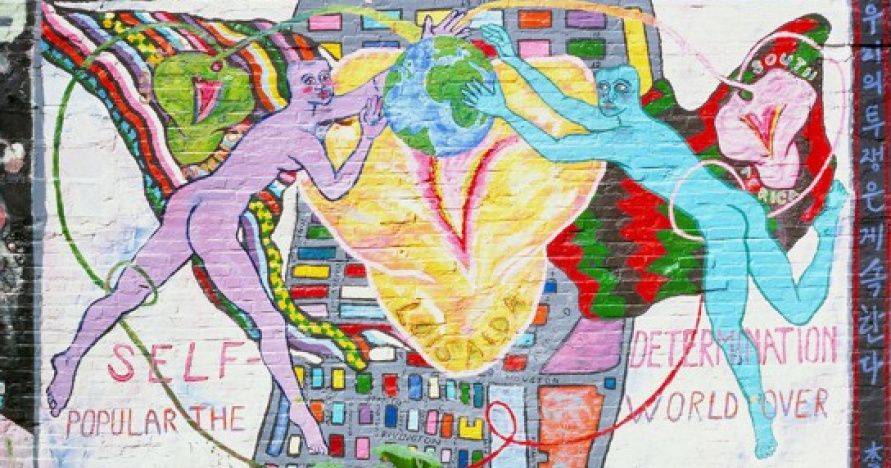
Self-Determination in the Age of Globalization, Brad Simpson: 9th Keith L. Nelson Lecture in U.S. International History
This section contains archived content made available for reference, research, or recordkeeping purposes. These materials are not actively maintained and may not meet current accessibility standards, such as WCAG 2.1 Level AA. If you need assistance accessing this content or require an accessible format, please contact sohwebmaster@uci.edu. We are committed to ensuring access for all users and will provide accommodations promptly upon request.
The idea of self-determination is one of the most significant in modern international politics and law. Most scholars have associated self-determination with the movements for decolonization, but as decolonization drew to its near completion in the 1980s, self-determination movements and claims continued to proliferate. Indigenous peoples, East European dissidents, “unrepresented peoples,” opponents of US intervention in Central America, anti-Apartheid activists, the Soviet successor states, international lawyers, and many others carried forward the work of circulating novel and expansive self-determination claims. Their efforts were deeply connected to the recognition that economic globalization was changing the meaning of sovereignty, which demanded new understandings of self-determination.
Brad Simpson is Professor of History and Asian Studies at the University of Connecticut. He is the author of Economists with Guns: Authoritarian Development and US-Indonesian Relations, 1960-1968. His new book is The First Right: Self-Determination and the Transformation of International Order, 1941-2000.
Established in 2015, the Keith L. Nelson Lecture in International History was initially funded by the Edward A. Dickson Professorship awarded to Keith L. Nelson, Professor Emeritus in the Department of History at UCI. Previous Nelson lectures have featured some of the country's leading scholars in International Studies and World History, including political scientist Dr. Carol Anderson and historians Mark Bradley and Arne Westad.