
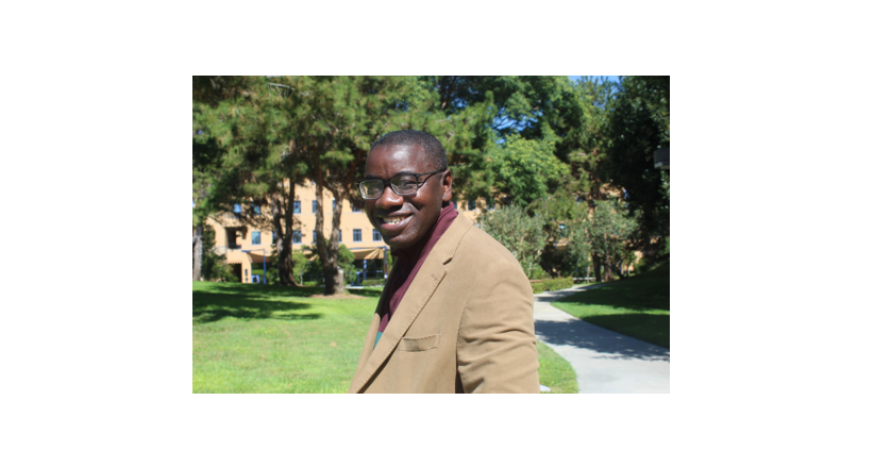
Colloquium: Paul O. Irikefe (University of California, Irvine)
This section contains archived content made available for reference, research, or recordkeeping purposes. These materials are not actively maintained and may not meet current accessibility standards, such as WCAG 2.1 Level AA. If you need assistance accessing this content or require an accessible format, please contact sohwebmaster@uci.edu. We are committed to ensuring access for all users and will provide accommodations promptly upon request.
The Calibration Critique of the Philosophical Method of Cases: Some Hope for the Prospect of Armchair Knowledge
To several critics of the philosophical method of cases—principally, Robert Cummins, Jonathan Weinberg, and his colleagues, and more recently, Avner Baz—the fact that philosophical intuitions, or case judgments cannot be calibrated, that is, standardly certified as reliably tracking the phenomena of philosophical interest, means that we cannot rule out the skeptical hypothesis that philosophical theories elicited through the philosophical method of cases, is just the distorted output of the bad implicit, or explicit theory of the theorist. Moreover, they take this to license a certain skepticism about the prospect of armchair knowledge. This paper addresses this skeptical argument and outlines some reasons to be optimistic about the prospect of armchair knowledge.