
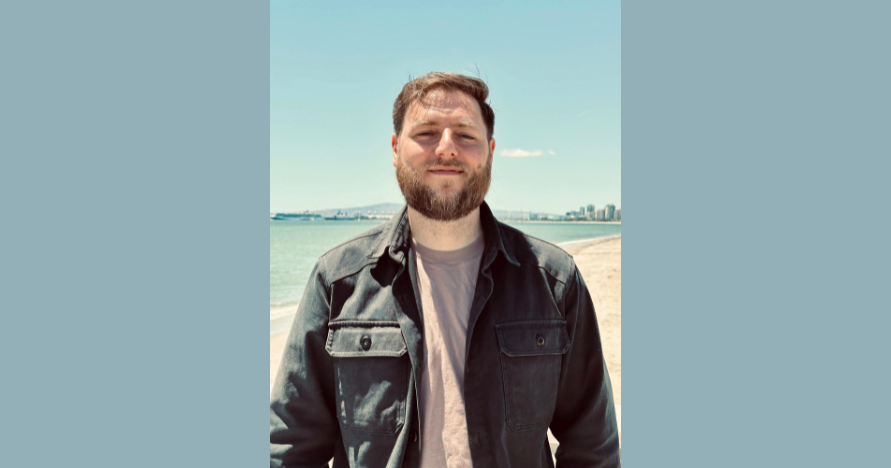
Colloquium: Jake Monaghan (University of Southern California)
This section contains archived content made available for reference, research, or recordkeeping purposes. These materials are not actively maintained and may not meet current accessibility standards, such as WCAG 2.1 Level AA. If you need assistance accessing this content or require an accessible format, please contact sohwebmaster@uci.edu. We are committed to ensuring access for all users and will provide accommodations promptly upon request.
Disorder in the ideal city
The philosophy and policy of the city confronts two related questions. One concerns the urban ideal, or what the city ought to look like in social and spatial terms. Another related question concerns disorder. What is disorder? Is it real or stance-dependent? I’ll defend what I call the “urban mosaic” ideal. Then I’ll draw out some implications for our thinking about disorder. If the city is like a diverse mosaic, this suggests that what counts as disorder will usually be contested. Further, since competing conceptions will inevitably interact at the boundaries, disorder conflicts will be dynamic, shifting across the mosaic. The result is that the urban ideal is inherently conflictual. But this does not commit one to thinking that disorder is purely stance-dependent. This is an important point of dispute in the liberal and critical theoretical approaches to the city.